
4 of Harley-Davidson's Worst Engines, Bikers Say
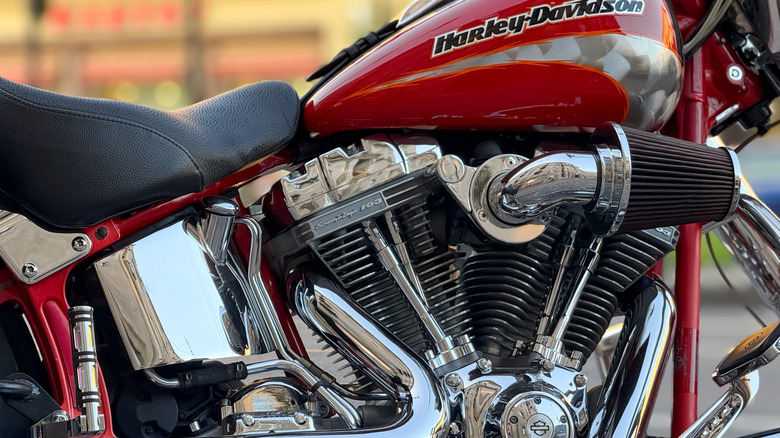
In the past hundred years, the American motorcycle giantHarley-Davidson has released many legendary powerplants, each distinct enough to make a difference, even if minor, not just for the company but also for the present motorcycle engine industry. We have discussed many of these engines repeatedly, often analyzing them based on their production dates, what they offered, and the motorcycles they fueled. However, we have rarely explored which ones riders regard as the worst from the company. Well, that's about to change.
Harley-Davidson is recognized for producing some of the finest, though costly, motorcycles available nowadays.However, it initially began by creating just an engine before developing an entire motorcycle around it. In this sense, engines have always been essential to the company, whether it was a simple Panhead or Knucklehead, or the stronger Milwaukee Eight that powers most of its modern motorcycle range. Among this extensive selection, though, there are a few engines that many riders believe failed to live up to the prestige Harley has meticulously built over the years. Whether due to reliability problems, low-quality construction, bad fuel efficiency, or simply producing an unusually strange noise, here are some of the worst engines ever utilized by Harley-Davidson.
Read more: 13 Top-Rated Harley-Davidsons Known for Excellent Handling
1. Shovelhead during the AMF period (1969 - 1981)
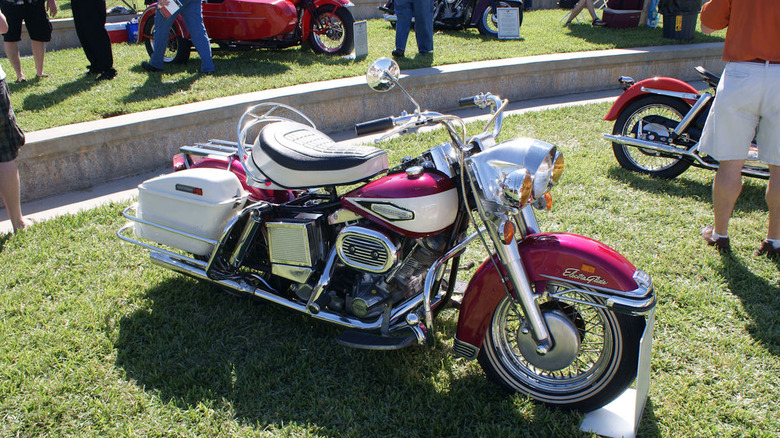
Considering its age, it's only expected thatHarley-Davidson has experienced multiple significant historical events.that has influenced its current state. Naturally, some of these events represent notable accomplishments for the company; however, many bikers will say that none are as negative as the AMF period, a time from 1969 to 1981 when the company was under the ownership of the American Machine and Foundry (AMF) conglomerate. Although the specifics of the acquisition aren't crucial here, the consequences certainly are, such as a major drop in product quality caused by reductions in staff.
One of the various products impacted here was, naturally, the company's Shovelhead engine, which had already been facing its own challenges that appeared to worsen with the overall drop in quality across the company. These problems included motorcyclists experiencing overheating because the engine only featured 10 cooling fins per cylinder and oiling issues resulting from oil pooling in the crankcase, leaving other engine components without sufficient lubrication.
What's intriguing about the Shovelhead is that, despite enduring numerous challenges, it eventually became one of the most cherished Harley engines, partly due to the company's efforts to resolve many of the problems it faced during the AMF period.
2. Conclusion of the AMF-era Ironhead (1980 - 1985)
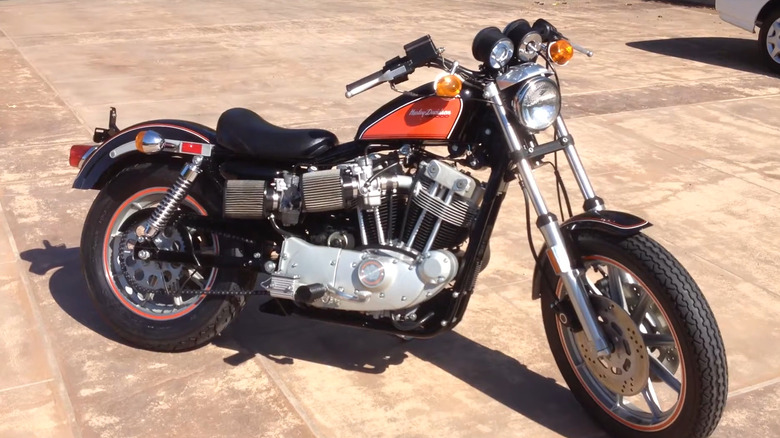
Similar to the AMF-era Shovelhead, the Ironhead engine produced after that period and before the mid-1980s is another model that motorcycle enthusiasts regard as a disappointment for Harley. The specific Ironhead featured in the Sportster 1000 was one of the key reasons we added the bike to our list ofthe most unreliable motorcycles ever made. Despite the subpar construction due to inexpensive materials, the first major problem with the engine was not mechanical breakdowns, but rather a lackluster power performance.
You see, even though the 1980 and 1981 Ironhead models had a 997cc engine, they only generated a modest 55 horsepower. In addition to the lack of power, the engine also experienced electrical issues and significant vibration, which was due to its rigid mounting system. As you might imagine, riding on this engine was nearly a hassle because it was so uncomfortable. Moreover, the vibrations occasionally led to components becoming loose and detaching. It didn't help that earlier models, particularly those from 1979, had already created a sense of disappointment because of oil leaks.
3. Twin Cam 88
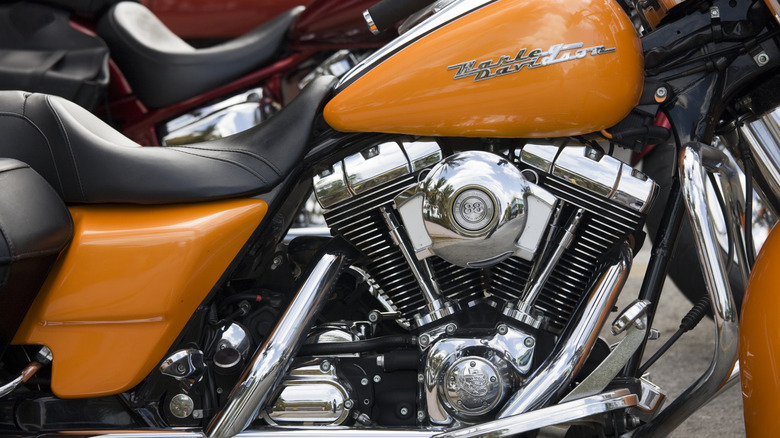
Although the Ironhead and Shovelhead faced challenges during the AMF period, they still had an opportunity to prove themselves, with some, such as the Shovelhead, becoming popular choices among motorcycle enthusiasts. This is not the case for the Twin Cam 88, which was manufactured from 1999 to 2006. The engine experienced numerous problems, causing issues in almost every Harley it was installed in. These problems consisted of transmission difficulties, significant vibration, oil leaks that damaged other engine components, and plastic cam chain tensioner shoes that could crack due to heat and friction from regular operation.
A significant issue with the cam tensioner was that a broken tensioner shoe could lead to its parts clogging the oil pump, causing severe engine damage. Debris from the worn shoes frequently blocked the oil pump gears, resulting in a complete loss of oil pressure. These issues left many motorcycle riders puzzled, raising questions about why Harley didn't use higher quality materials, especially considering its status as a luxury brand. It appears the company aimed to reduce manufacturing costs, but this decision had serious negative consequences. Nowadays, the Twin Cam 88 is generally seen asthe most poorly designed engine Harley-Davidson has ever created.
4. Revolution X engine
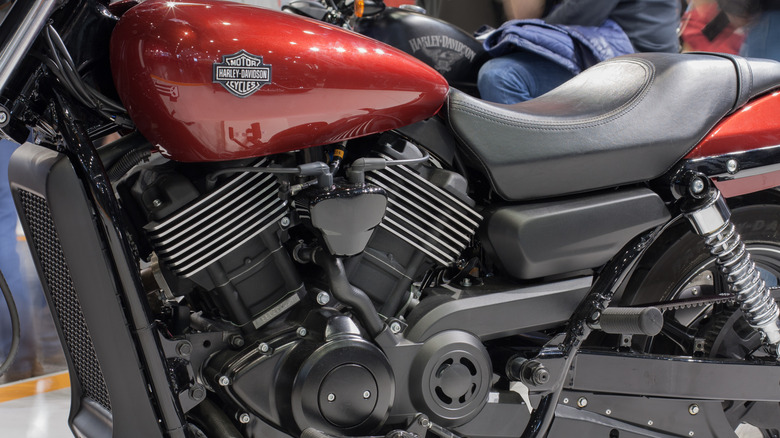
Finally, we come to the Revolution X, which was showcased in Harley's Street 500 and 750 models. One of the first observations made by motorcycle enthusiasts about the Revolution X was that its engine lacked the powerful growl and rumble typically associated with Harley-Davidson engines. Rather, it produced a relatively smooth noise that some found unusual for a Harley. Although this alone was enough to draw skepticism from riders, it turned out to be just one of many challenges the Revolution X encountered in its initial years.
The first of these issues was a poor power output, especially in the Street 500, which some found disappointing. In the Street 500, a motorcycle we had included amongthe best-handling Harley-Davidsons, the Revolution X generated 30 pound-feet of torque at 3500 RPM and approximately 32 horsepower. However, a low power output was not the only problem the Street's Revolution X faced, as Harley acknowledged that engine failures could happen in the 666 Street models, including both the Street 500 and the Street 750.
These issues were caused by a faulty seal at the fuel pump inlet, which might prevent the pump from delivering fuel to the engine during intense acceleration, resulting in engine hesitation. The immediate consequence could include a sudden power loss while driving, or even a loss of control and a potential accident. Harley-Davidson initiated recalls and asked dealers to replace the fuel pump modules on the affected motorcycles.
How we chose these engines
To create this list, we examined a wide range of Harley-Davidson engines from the past 100 years, with an emphasis on craftsmanship, dependability, and horsepower. We also referred to several reputable review magazines and online sources for unbiased opinions on engine performance and reviewed enthusiast forums to gather insights from experienced riders. In addition, we looked at news outlets that reported on these engines, highlighting issues such as recalls and common engine problems. Considering Harley-Davidson's significant role in the motorcycle industry and the acclaim its engines have received, evaluating aspects like engine noise was also an important part of the selection process.
Seeking the newest developments in technology and automotive trends?Sign up for our free newsletterfor the newest news, professional advice, and step-by-step guidance, delivered straight to your inbox. You can alsoAdd us as a preferred search provider on Google.
Posting Komentar