
All-Wheel Drive Isn't Winter-Proof—Here's the Truth
As the winter season approaches, numerous American drivers encounter the yearly dilemma—Are winter tires truly essential?The solution isn't universal. It varies based on your car, your driving patterns, and the severity of winters in your area. However, when considering safety, the data strongly supports making the change.
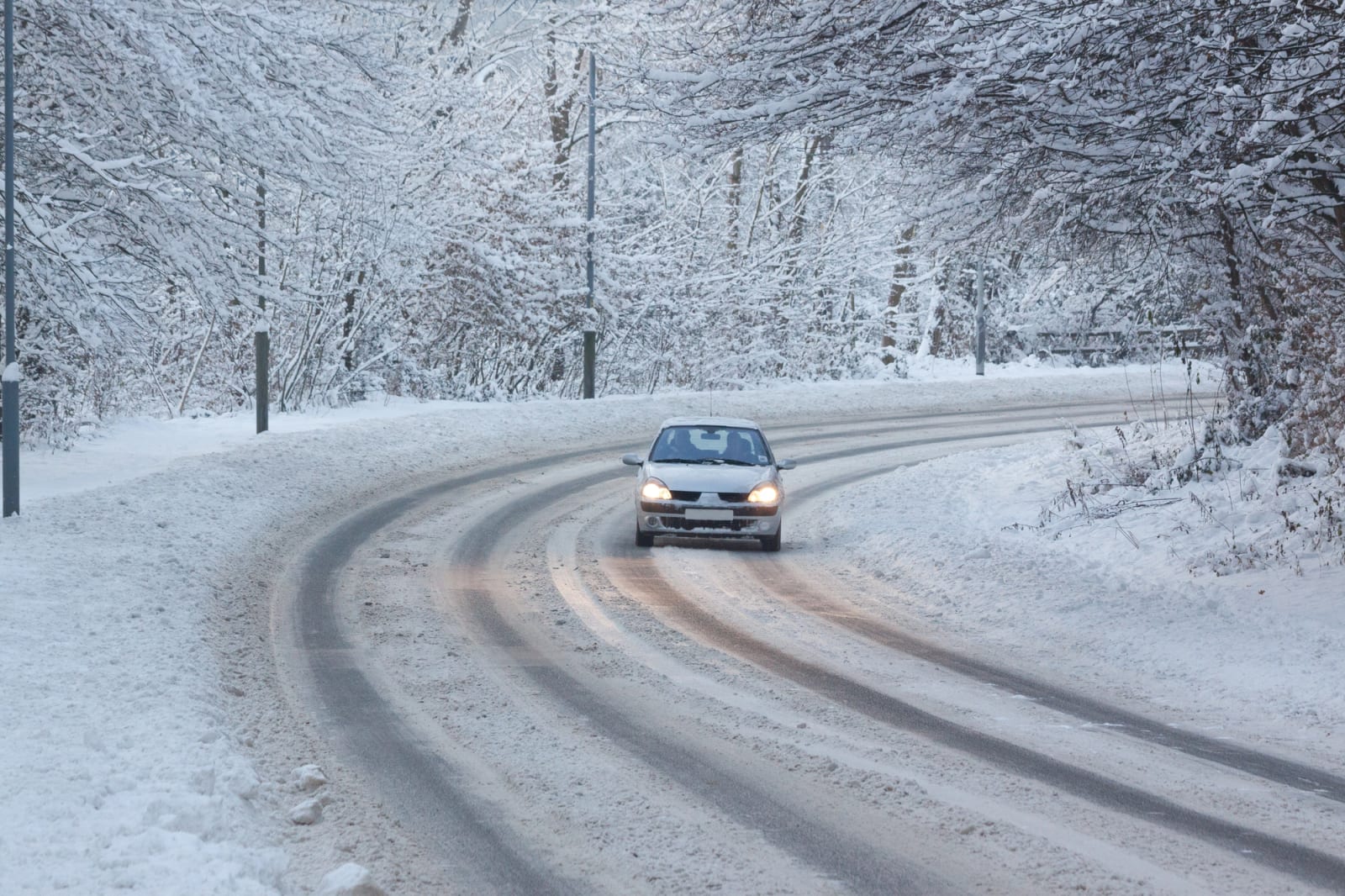
One of the most perilous misconceptions circulating is thatall-wheel drive (AWD)means you're prepared for winter. This belief leads to many preventable accidents each year. Rear-wheel-drivevehiclesare particularly dangerous—they tend to fishtail the moment they start moving on icy or snowy surfacesroads, which can transform a regular morning commute into a slide across an intersection.
Some drivers choose to avoid winter tires completely, relying on public transportation during heavy snow. This approach might suit city residents who drive infrequently, but it's not practical for those who commute daily or travel long distances. Even a small collision due to slippery roads can cost significantly more than a set of winter tires. In this way, winter tires are less of a luxury and more of a necessity.affordable insurancefor both your vehicle and your sense of calm.
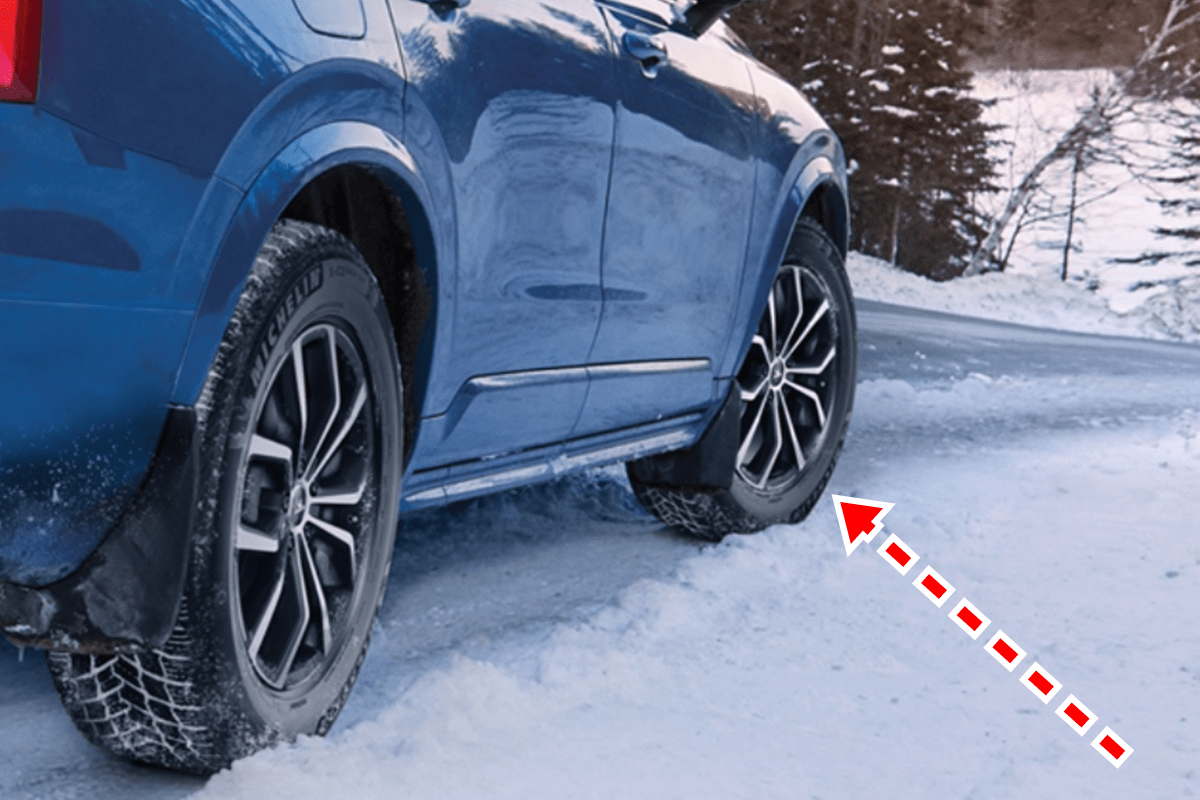
Winter driving involves risks that regular tires are not equipped to handle.Black ice and slushSignificantly reduced braking effectiveness for all vehicles. Rear-wheel-drive cars are most affected—they may have difficulty moving forward from a stop without losing traction. This is why specialists repeatedly stress that winter tires are particularly important for rear-wheel-drive vehicles, which gain the greatest advantage from enhanced traction.
Four-wheel drive, although beneficial for speeding up, does not enhance braking distance.Braking ultimately depends on the grip of your tires.Without appropriate winter tires, the benefit of all-wheel drive vanishes when it's needed the most—during an emergency stop on a cold, icy road. If you travel early or late in the day, when temperatures fall below freezing, purchasing winter tires is the smartest decision you can take.
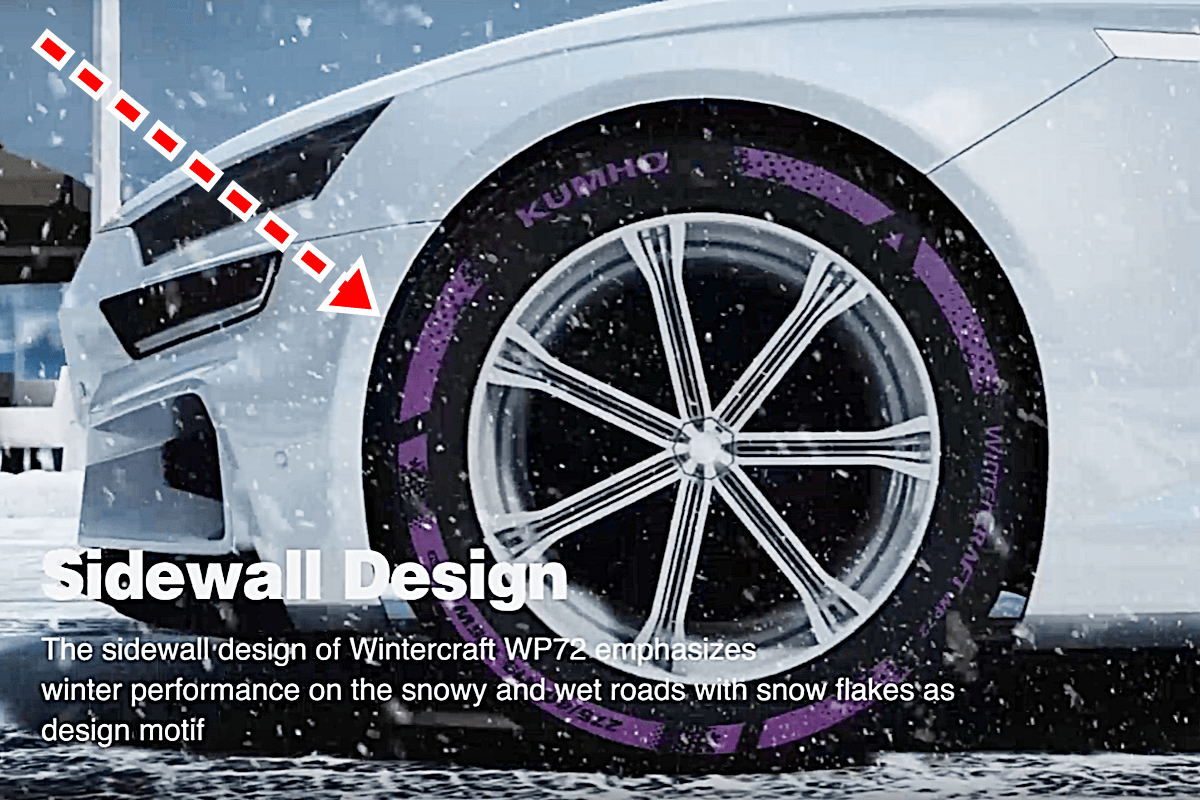
There are two primary categories of winter tires:alpine and Nordic.Alpine tires perform optimally in urban environments and varied conditions, whereas Nordic models are designed for deep snow and areas with rural or mountainous terrain. Korean tire manufacturers have established notable presence in this market—Kumho’s Wintercraft WP72distinguishes itself through a combination of traction, ease of use, and cost, making it a great choice for the majority of city and suburban drivers.
Owners of vehicles brought in from other countries must exercise additional caution. MostEuropean vehicles are delivered to the U.S. equipped with summer tires, which can be dangerous in cold conditions. These tires become rigid when temperatures drop, reducing grip even on dry surfaces. Fixing or replacing damage on a high-end vehicle following a winter skid can lead to thousands of dollars in expenses—money that can be easily avoided by taking early action to switch tires.
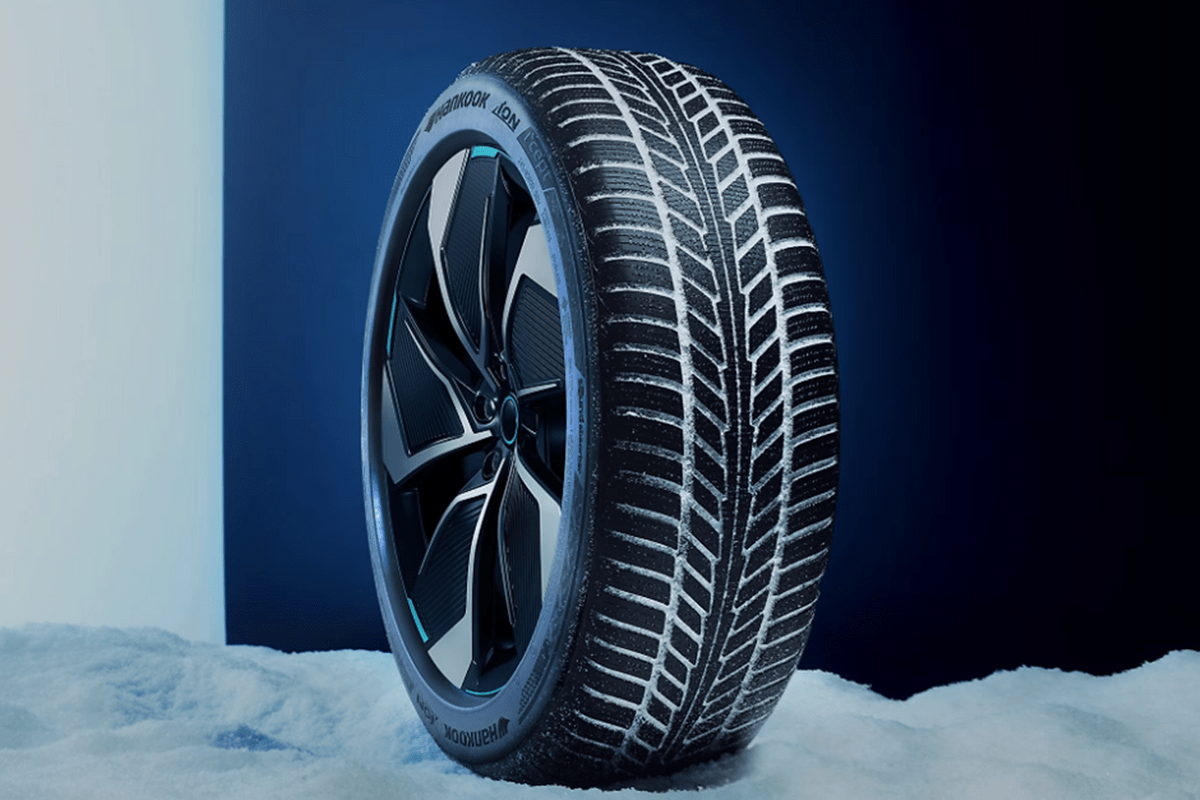
A quality set of winter tires usually costs$450 to $520and can last five to six seasons when stored correctly. Considering that a single accident on icy roads can cost thousands, it's a straightforward choice to make. Keep them in a cool, dry area, or opt for professional tire storage to ensure their performance remains consistent over the years.
In short: winter can catch you off guard, even on roads that appear clear. Freezing temperatures can lead to hidden ice spots, and no driver—regardless of their vehicle—can overcome the laws of nature. The main thing is to be ready. Change your tires early, drive carefully, and keep in mind:All-wheel drive assists in moving forward, but only winter tires ensure you come to a stop.Switching now ensures you'll enjoy the season with confidence, safety, and preparedness for any challenges ahead.
Posting Komentar