
AMG Acknowledges $Billions Error: 4-Cylinder C63 Ends in 2026, V8s Remain Safe
Throughout the history of debates over downsizing in the automotive industry, the Mercedes-AMG C63's shift to a four-cylinder engine has been notably contentious. The move to remove the powerful V8 from this German performance icon and substitute it with a more modest 2.0-liter four-cylinder engine combined with a hybrid system shocked fans and those who appreciated AMG's distinctive roar.
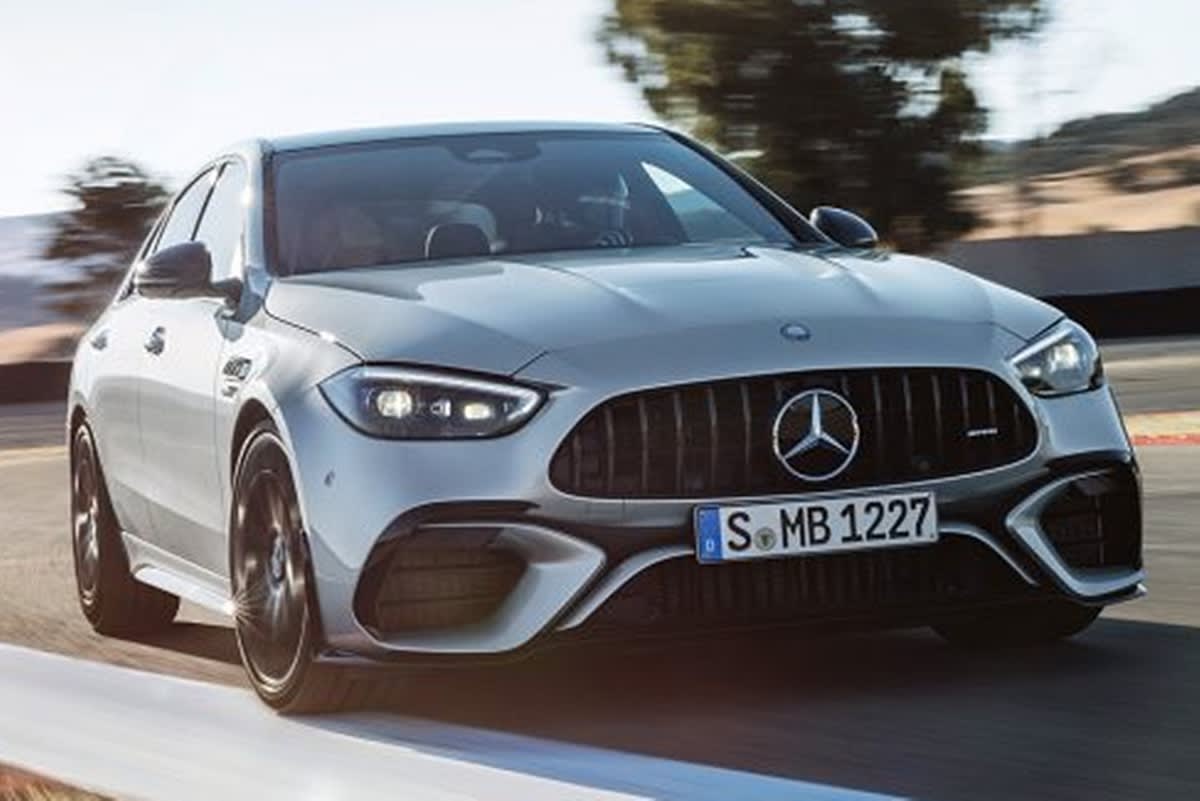
However, the outcome of this aggressive reduction was significantly worse—and more ironic—than anticipated. The 4-cylinder engines, which were introduced to meet tougher environmental rules, ultimately faced difficulties in meeting noise and emission requirements and were eventually discontinued.
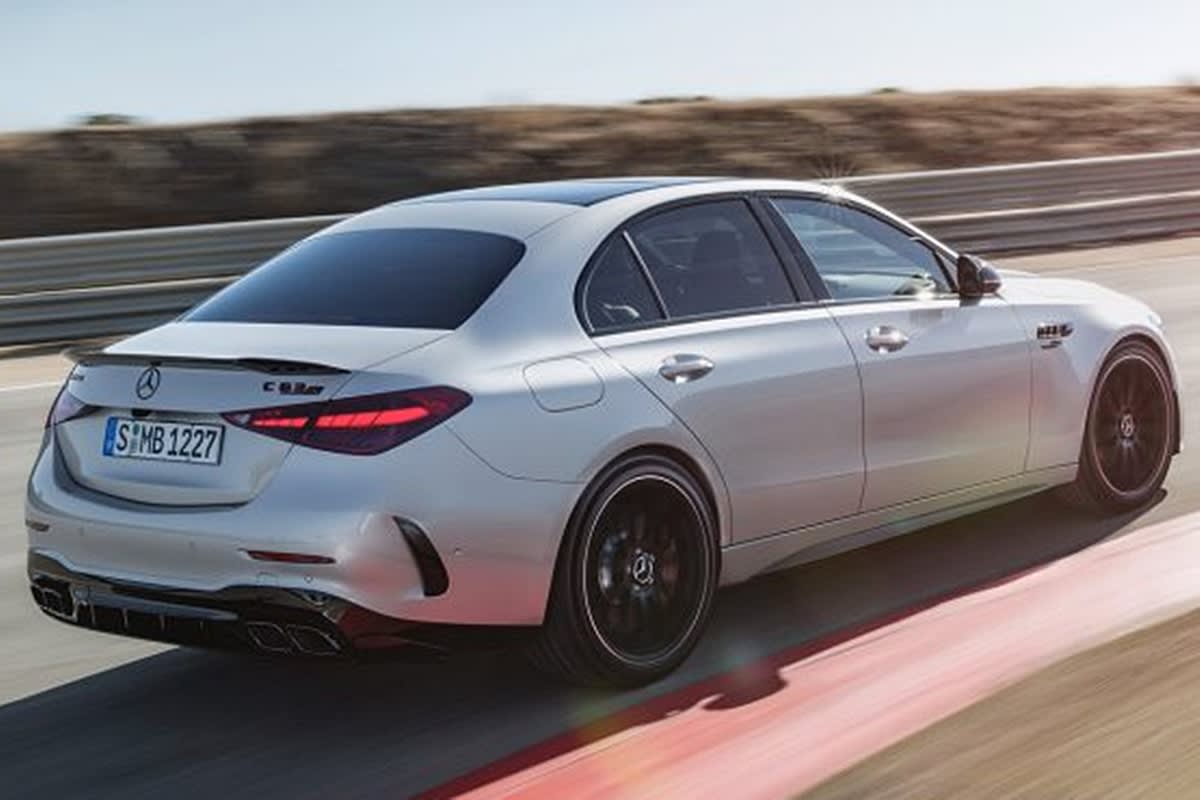
Mercedes-AMG's recent announcement caused a big stir in the high-performance car industry. According to reports, AMG plans to stop making certain powerful models to meet the European Union's stricter noise rules, which will come into effect in July 2026.
It might be expected that big, fuel-inefficient engines would be the first to be phased out. However, the models being removed are actually the 4-cylinder engines that Mercedes previously promoted as the future of AMG. Entry-level performance vehicles like the C43, GLC43, and GLA35 will stop being produced by February 2026. Even more unexpectedly, top-tier plug-in hybrids such as the C63 S E Performance and GLC63 S E Performance are also scheduled to be discontinued by May 2026.
What was the logic? Eliminating noise and vibration from these high-performance four-cylinder engines turned out to be expensive compared to their sales figures. On the other hand, AMG models featuring V8 engines—such as the AMG GT, SL, and G-Class—remain unaffected, underscoring the business and engineering shortcomings of Mercedes' approach to downsizing.
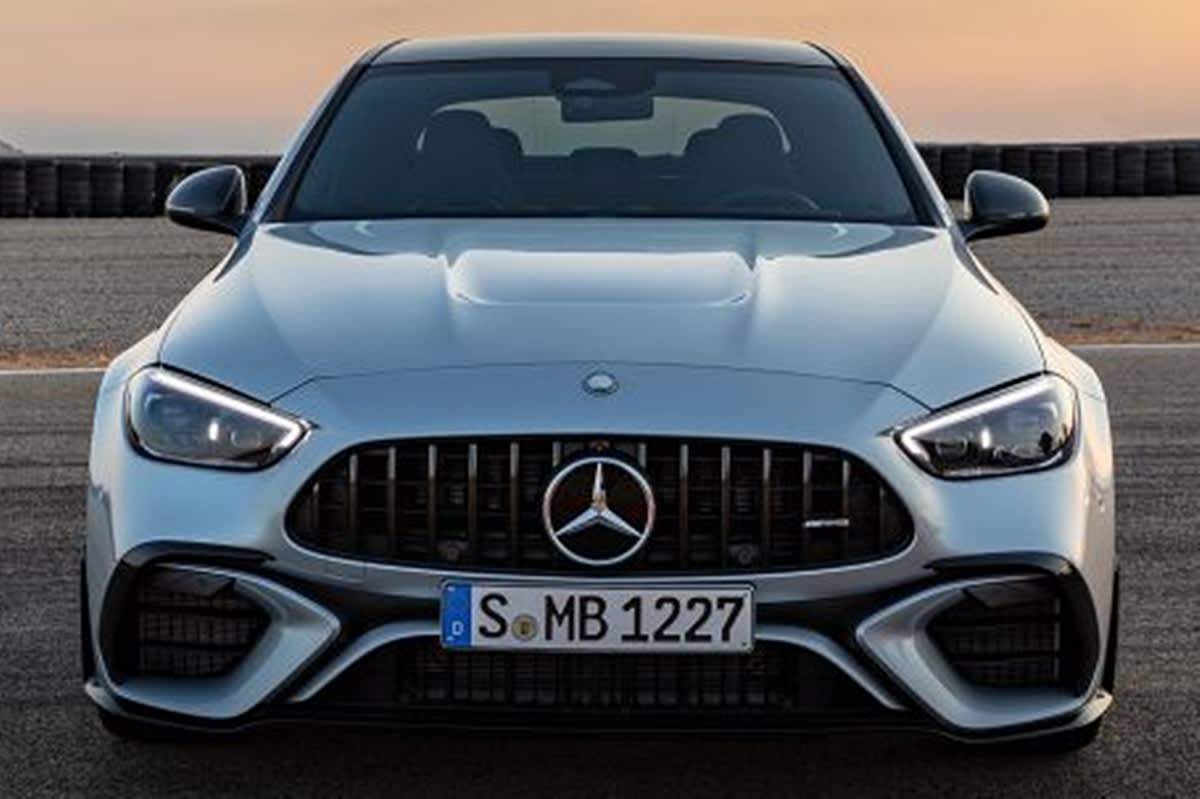
At the core of this failure is the C63 S E Performance, a result of Mercedes' excessive confidence. The vehicle's large batteries and intricate hybrid system caused the curb weight to exceed 4,600 pounds and led to reliability issues. Most concerning was the loss of AMG's iconic exhaust sound—its essence—which disappointed long-time enthusiasts. Even in Germany, the brand's native market, sales were extremely poor. In contrast, rivals such as BMW's M3, which remained true to its inline-six engine, continued to succeed.
Mercedes has ultimately accepted defeat. According to industry experts, the 2026 C63 update will bring back a 6-cylinder engine, derived from the 3.0-liter inline-six used in the CLE 53, with the goal of restoring its lost performance reputation and appealing to car enthusiasts again. This represents a significant shift from Mercedes' previous position that four cylinders were sufficient and a modest recognition of the market's feedback.
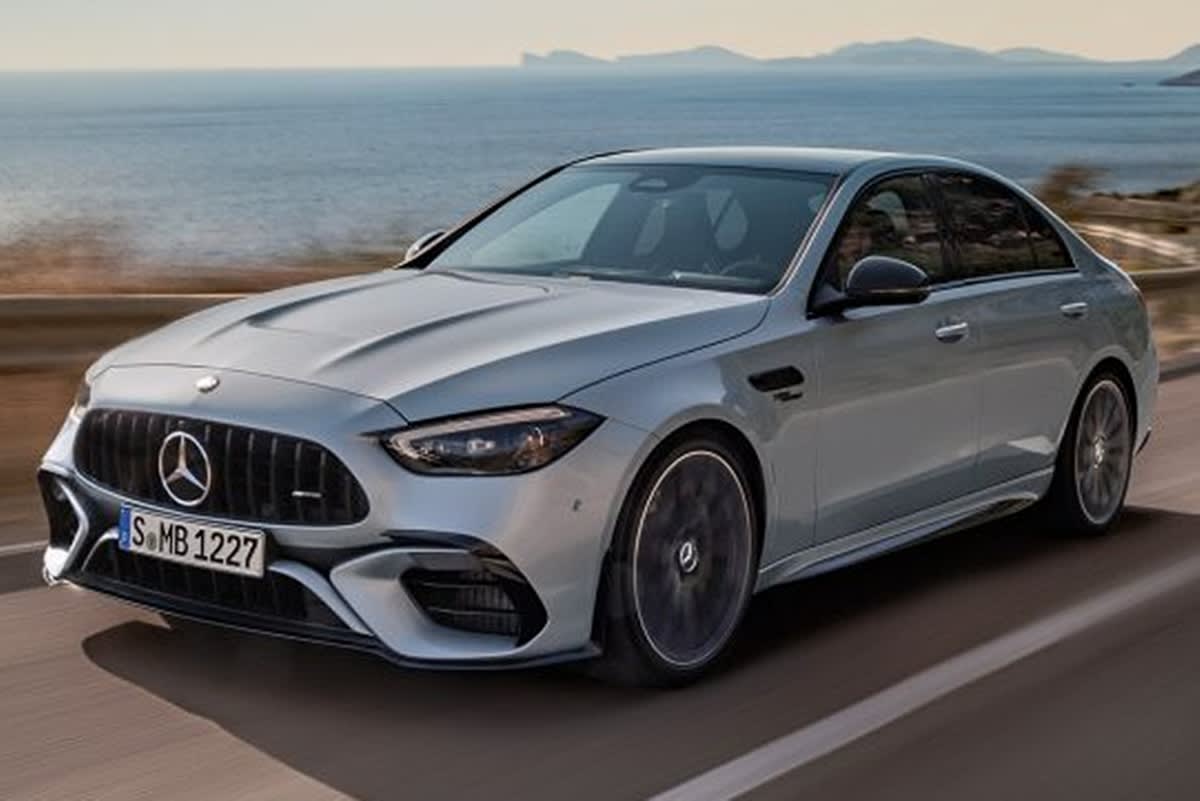
The broad elimination of 4-cylinder models indicates a broader strategic change. Mercedes-AMG is stepping back from its unsuccessful 4-cylinder hybrid attempt, focusing instead on the AMG.EA platform for high-performance electric vehicles.vehiclesThe strategy involves a two-pronged method: create all-electric vehicles with impressive performance capabilities while keeping certain V6 and V8 models that provide the excitement fans desire—instead of continuing with complicated hybrid options that didn't resonate.
The 4-cylinder C63 and GLC63 are set to be among the briefest models in AMG's history. Mercedes has incurred a significant cost—billions in development expenses and brand value—for overlooking what drivers genuinely seek: feeling, involvement, and that distinct AMG atmosphere. With the 6-cylinder resurgence on the horizon, car lovers throughout America and globally are observing whether Mercedes can restore AMG's missing essence.
Posting Komentar