
Biggie's Smart Move vs. Tupac's Expensive Taste
The Notorious B.I.G. (Biggie) and Tupac Shakur, two of the most significant icons in hip-hop's legacy, showcased their individuality not only via their music but also through the vehicles they chose to drive. Theirvehiclesprovide a distinct perspective on 1990s hip-hop culture, way of life, and individual image—and enthusiasts continue to draw parallels to them now.
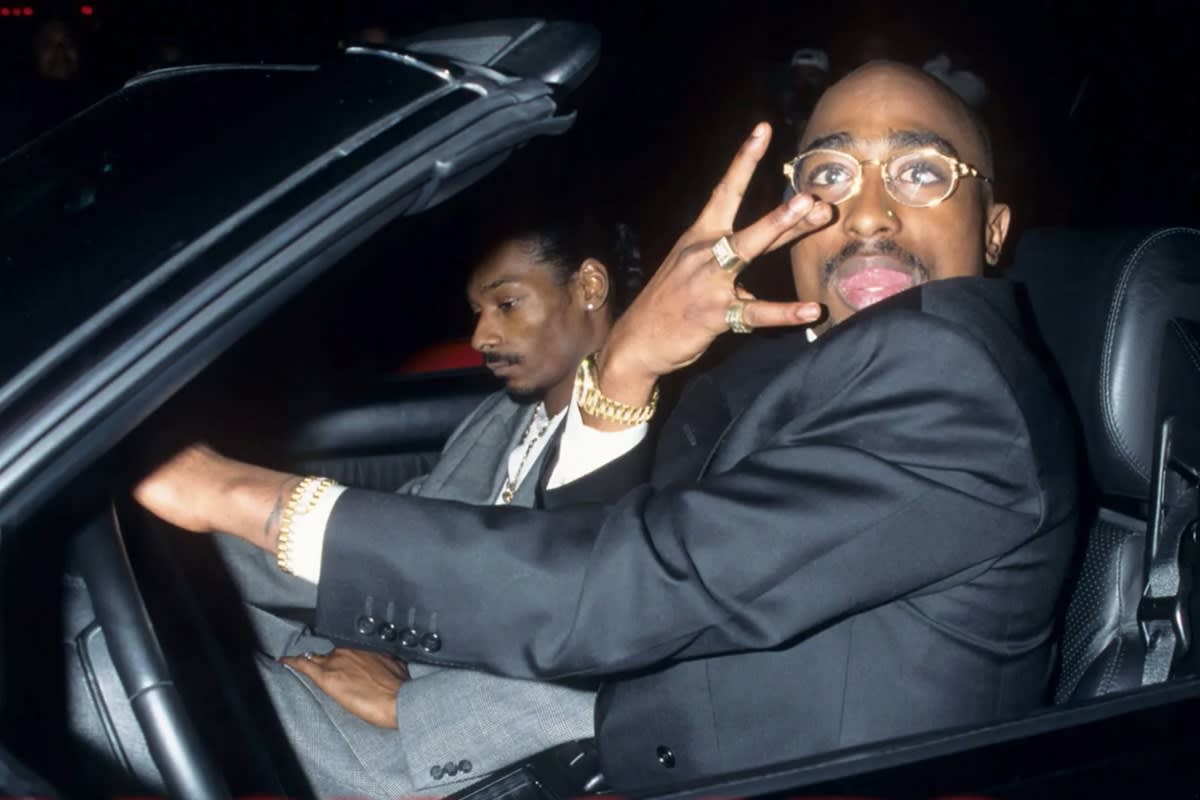
Biggie's car selections always leaned towards usefulness and durability. His forest green Chevrolet Suburban, which he drove during his most successful period, has turned into an iconic representation of his time—and even attracted attention when a Suburban with real bullet holes was sold at auction.
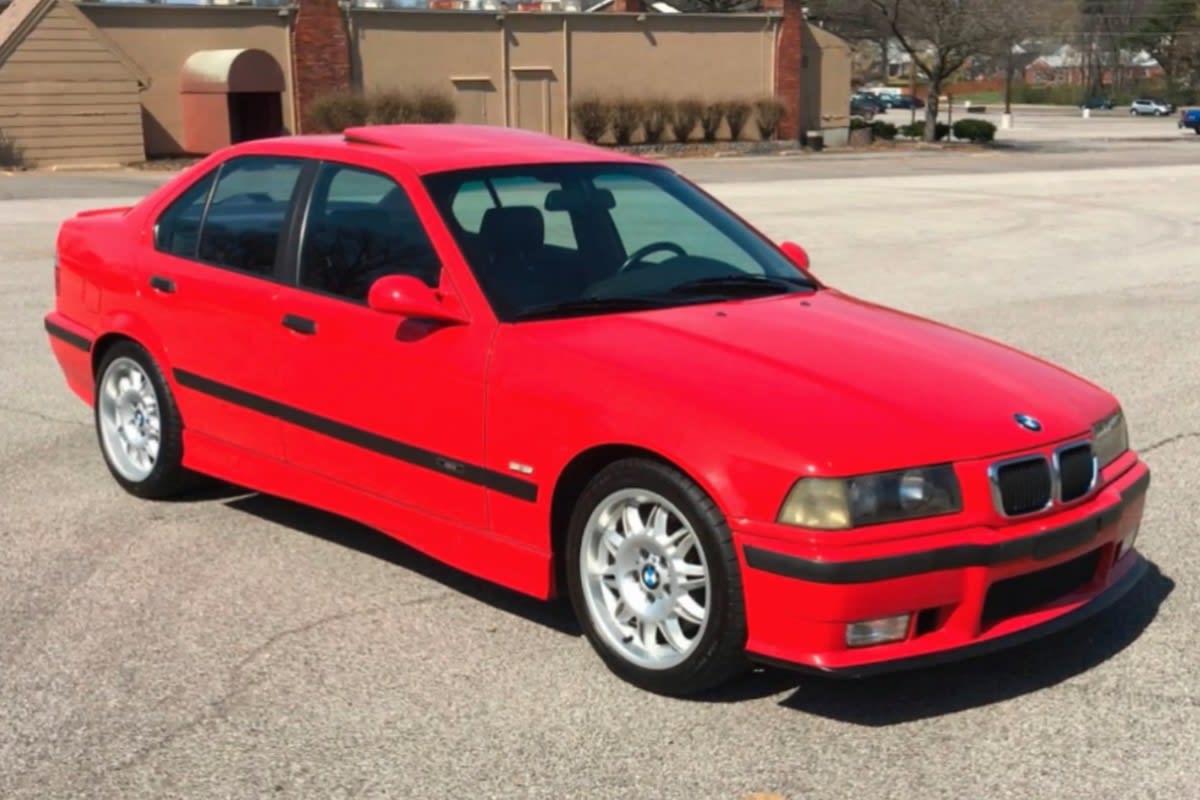
Another famous vehicle associated with Biggie is the BMW M3, a classic German car from the 1990s. Its reference in the lyrics of "Hypnotize" highlighted the respect that European sports cars had in hip-hop culture, symbolizing power and prestige.
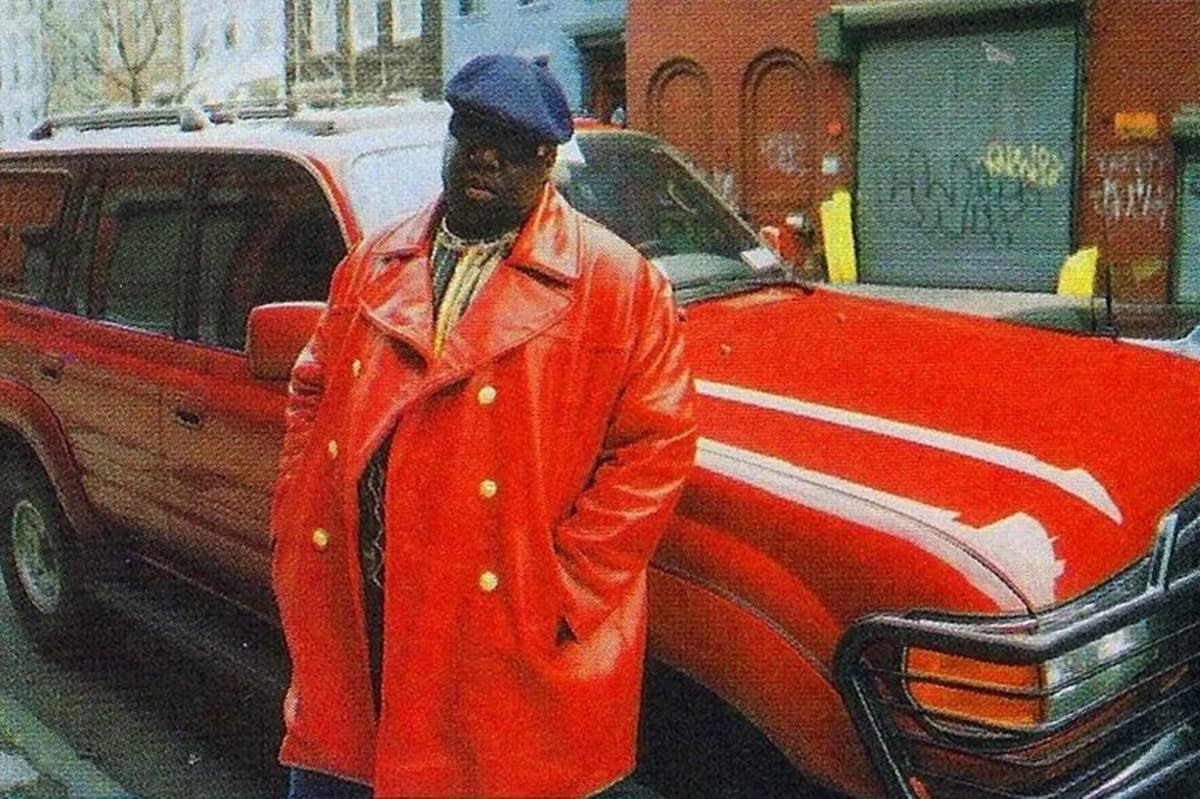
Biggie's garage included the Range Rover, Toyota Land Cruiser, and Isuzu Trooper—models known for their dependability and adaptability. These selections demonstrate his inclination towards practicality rather than showiness, showcasing a down-to-earth, everyday mindset regarding transportation.
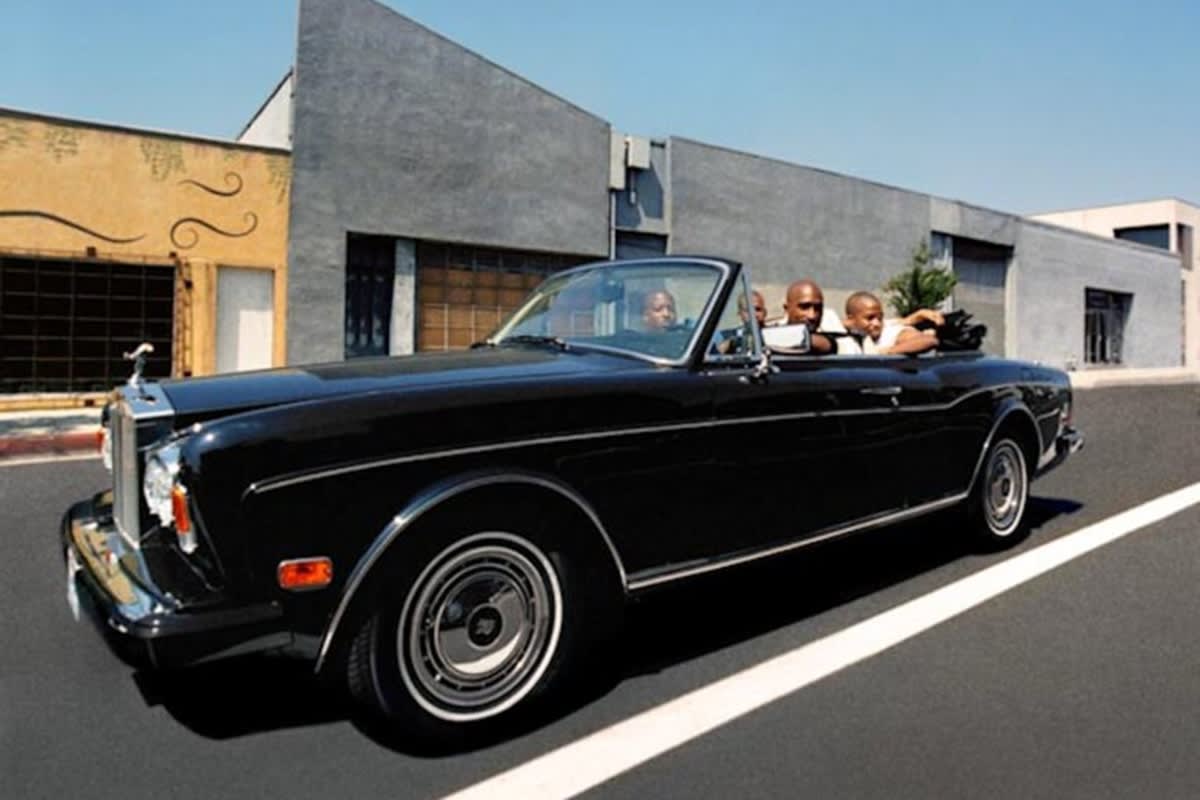
Tupac's approach to cars was the complete opposite—eye-catching, opulent, and deeply meaningful. In the beginning of his career, he opted for more functional vehicles like a Jeep Cherokee, but once he became successful, his collection grew to include premium classics such as the Rolls-Royce Corniche, Jaguar XJS, and Mercedes 500 SL. The 1995 Rolls-Royce Corniche became particularly famous, showing up in music videos and photo sessions, which helped shape Tupac's public persona.
The Jaguar XJS was among the limited number of vehicles he personally acquired, highlighting his preference for classic sports cars. In contrast, the BMW 750iL, linked to the last moments of his life, continues to be a strong representation of his identity and the time period.
Even their selections of SUVs highlight different approaches: Biggie remained loyal to dependable, tough models such as the Land Cruiser and Trooper, whereas Tupac expressed his individuality with a modified Hummer H1, equipped with large tires, unique lighting, and outside speakers. His Hummer not only showcased his confident character but also still fetches significant sums at auctions, demonstrating the lasting influence of his persona.
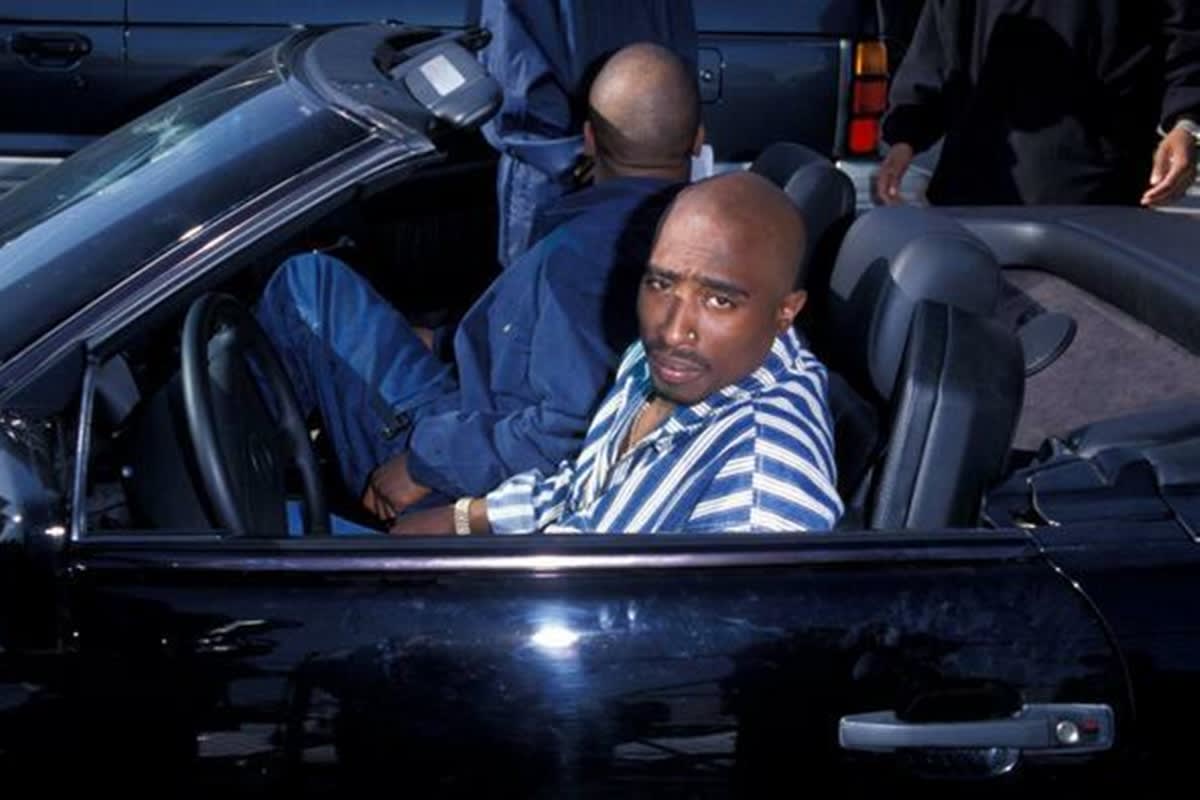
Biggie's decisions were based on everyday practicality, reflecting a common trend among 1990s hip-hop artists who favored functional SUVs. Tupac, on the other hand, intentionally used luxury and vintage cars to create an exaggerated, larger-than-life image. Their car choices were influenced not just by personal style but also by urban culture, record label pressures, and marketing approaches.
Just like their music, their cars convey a narrative. In the world of hip-hop, vehicles have always represented more than just a means of getting from one place to another—they symbolize identity, prestige, and cultural expression. Nowadays, cars from this influential period in hip-hop are being found and preserved, as the cultural impact of these artists' ways of life continues to affect their worth.
Posting Komentar