
Hyundai's Secret Weapon: Santa Fe EREV Spotted on the Streets
If you've been hesitant about switching to an all-electric vehicle due to concerns about charging—but think traditional hybrids are a bit outdated—Hyundai might have found the solution. Introducing theSanta Fe EREV (Extended Range Electric Vehicle)the smart balance created to provide the immediate reaction of an electric vehicle along with the versatility of a gasoline-powered SUV.
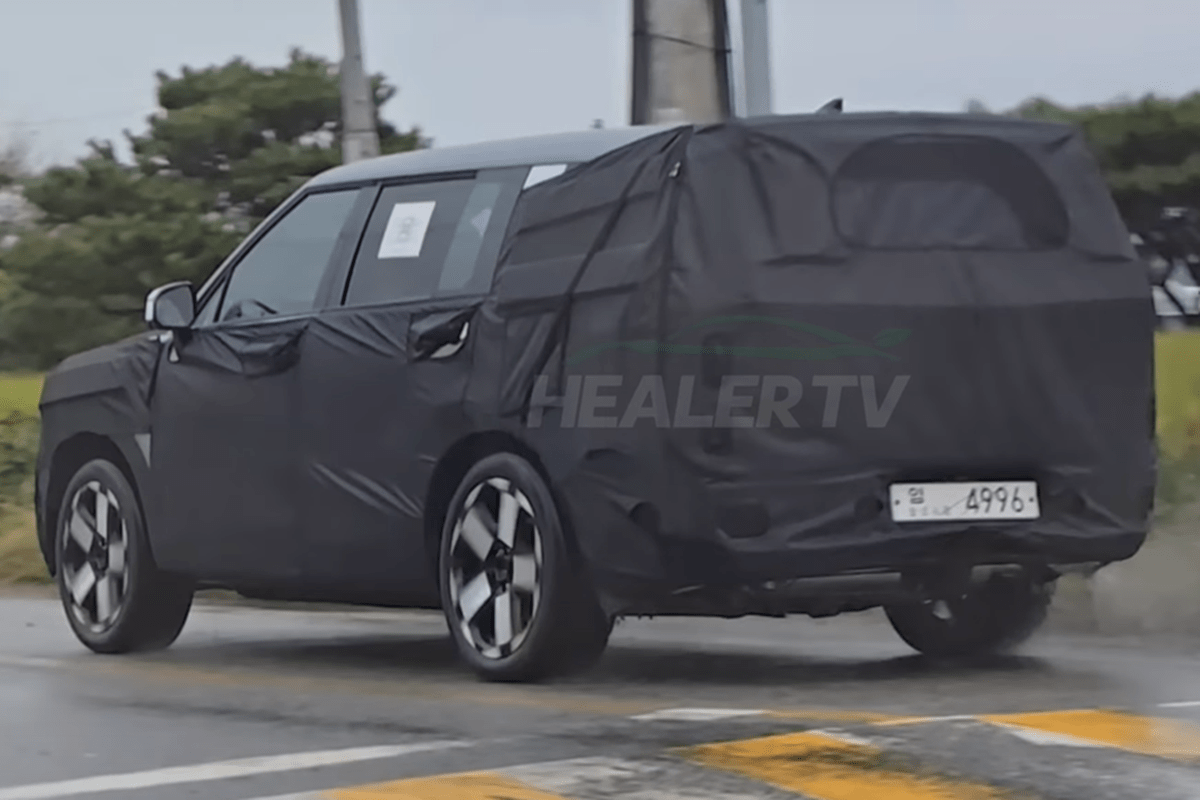
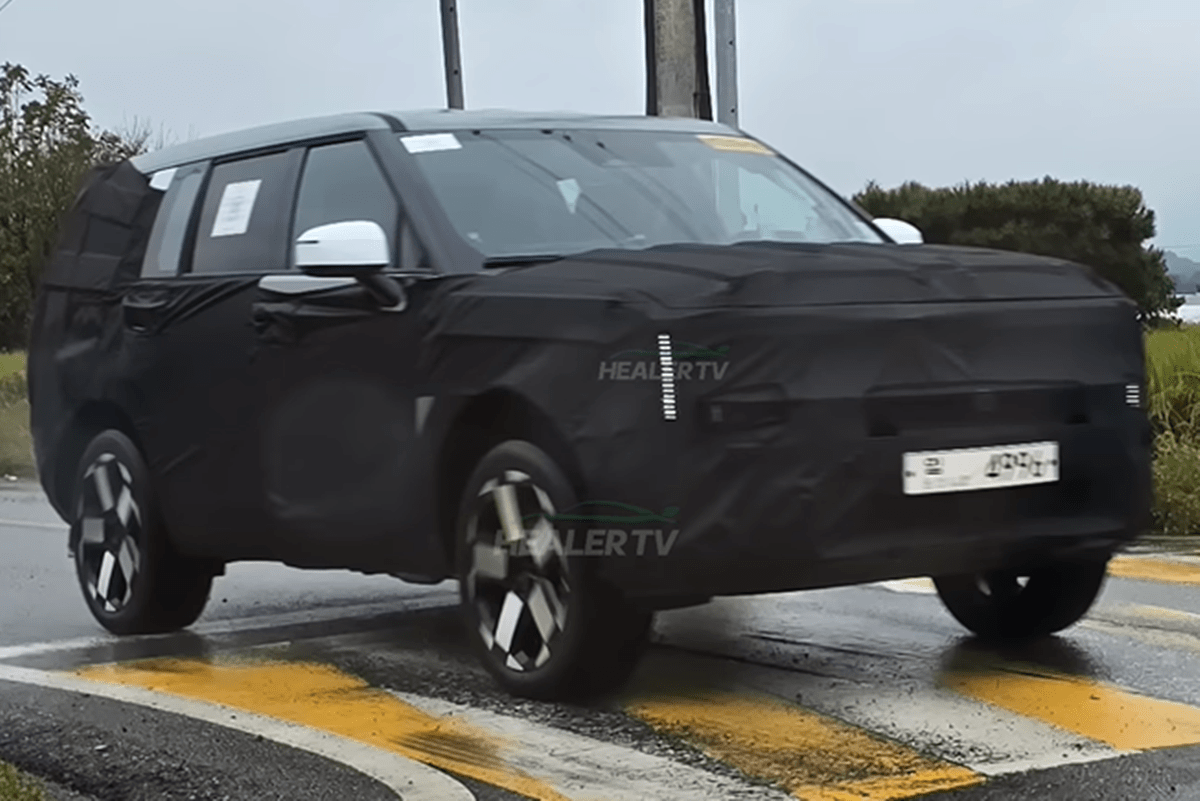
Recently, a camouflaged Santa Fe EREV prototypewas apprehended for testing in South Korearoads, and the sighting quickly sparked discussions on online car forums. This is not your average hybrid—it's a striking combination that includes an EV-style charging port and a powerful rear exhaust system suggesting greater muscle. Hyundai's EREV system might be the mostpractical bridge yetbetween today's internal combustion engines and the future of fully electric vehicles.
Here's the exciting part: theThe engine does not power the wheels in any way.. It exists solely for the purpose of producing electricity, while the wheels are turned completely by electric motors. Therefore, unlike the typical hybrid experience, where the engine and motor alternate, this configuration maintains a fully electric drive. The question now is—what is the actual driving experience like?
Technically, the EREV is part of the hybrid category, but in practice, it is quite different. Conventional hybrids use both gasoline and electric power to drive the vehicle, whereas this Santa Fe functions in what is known as aseries hybrid configuration. This implies the engine does not come into contact with the drivetrain. It only charges the battery, while the electric motor manages all movement.
The result is a buttery-smooth, EV-like rideWith immediate torque and no shifting issues. You experience the pleasant silence and power of a full electric vehicle, but without the fear of "low battery" anxiety. It's the ideal solution for those wanting an electric driving experience without being limited by charging stations.
Even the outside appearance showcases its dual characteristics. There is a sleek charging port cleverly placed on one side—while at the rear, a large muffler serves as a reminder that this vehicle still has a gasoline engine concealed beneath the surface. It's an interesting combination of past and present, resulting in a distinct identity that is clearly EREV.
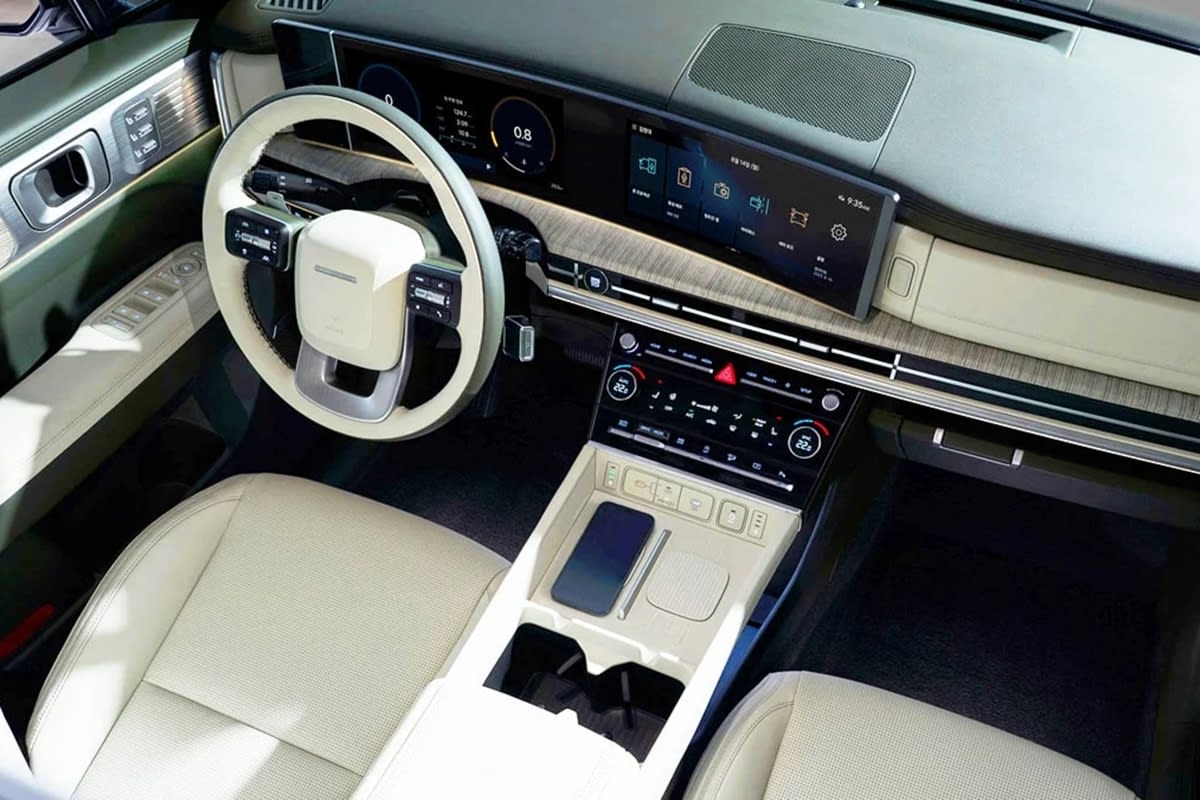
But this is where it truly excels:rangeA complete electric vehicle still requires a charging point, but with this system, when your battery is low, the gasoline engine starts to continue producing power. Hyundai strives for an amazing560-mile rangewith a full charge and fuel tank—sufficient for a reliable road trip from Los Angeles to San Francisco and back. For daily tasks, it operates entirely on electricity. For extended highway travel, it automatically produces its own power. Manufacturing will begin in 2025, with sales in the U.S. anticipated by 2027, probably from Hyundai's facility in Georgia. And if this technology is adopted by Genesis models, as reported, the EREV could represent the beginning of a new era.the beginning of a completely new period in electrified driving.
As the EV market slows down and range anxiety remains a major concern for many, Hyundai's Santa Fe EREV seems like a wise choice. It doesn't just offer electric performance—it actually provides it.freedom, the type that allows drivers to stop worrying about the next charging station and begin enjoying the journey once more.
Posting Komentar