
Kia PV5 vs Volkswagen ID Buzz: Who Will Rule the 2025 Electric Van Market?
Kia's latest all-electric van, thePV5, has caught the global automotive press off guard—receiving acclaim not only for its specifications, but for its performance in real-world conditions. International critics have been quick to liken it to theVolkswagen ID. Buzz, as both are electric passenger vans. And the conclusion has remained notably consistent: “The ID. Buzz has its appeal, but the PV5 excels when it comes toeveryday usability.”
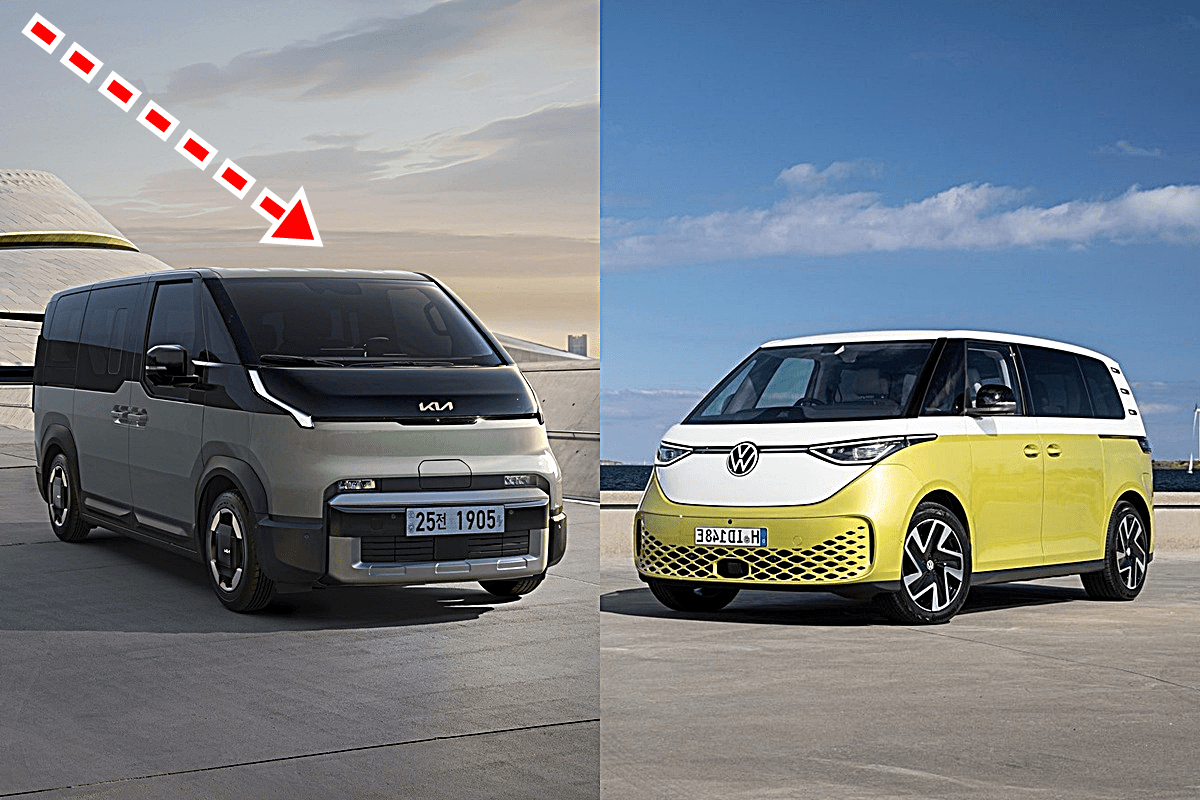
The models evaluated in these reviews were thepassenger versionsof the PV5, not the freight versions. Many reporters concentrated on how the van caters to families, travelers, and those seeking recreation. Videos and initial driving reviews highlighted itsspacious second-row legroom, convenient sliding doors, and a versatile third-row configuration. Critics consistently noted that the PV5 prioritizes comfort and functionality—qualities that are frequently overlooked in the attention-grabbing realm of new electric vehicles.
While the ID. Buzz by Volkswagen wins hearts with its nostalgic, retro-styled appearance, the PV5's power is found in itsfunctionality and layout. Shoppers in the electric minivan category, who previously focused on appearance and innovation, are now prioritizing practicality. In this aspect, Kia's van not only competes but leads the market.
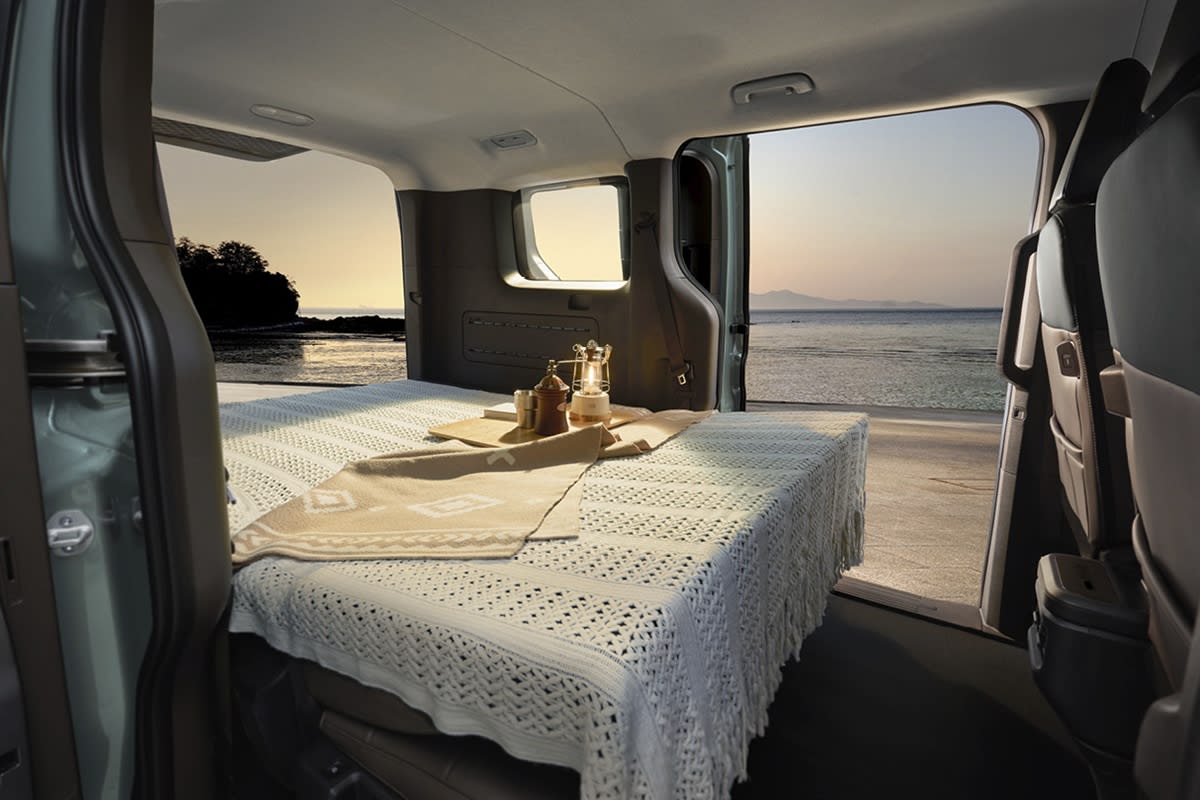
The PV5's interior is its main advantage. With atall ceiling, level floor, and almost three-meter wheelbase, it offers a light, comfortable space that suits both adults and children. The sliding doors and low floor make it ideal for cramped parking or regular stops, while the spacious trunk, multi-tier storage, and accessory rails are great for campers, families, and those who enjoy weekend adventures. Reviewers also appreciated the thoughtful details—such as thefront-mounted charging portfor simple connection and interchangeable bumpers that lower maintenance expenses. "For individuals with dynamic lifestyles," a reporter observed, "the PV5's"Interior design is merely more carefully planned..”
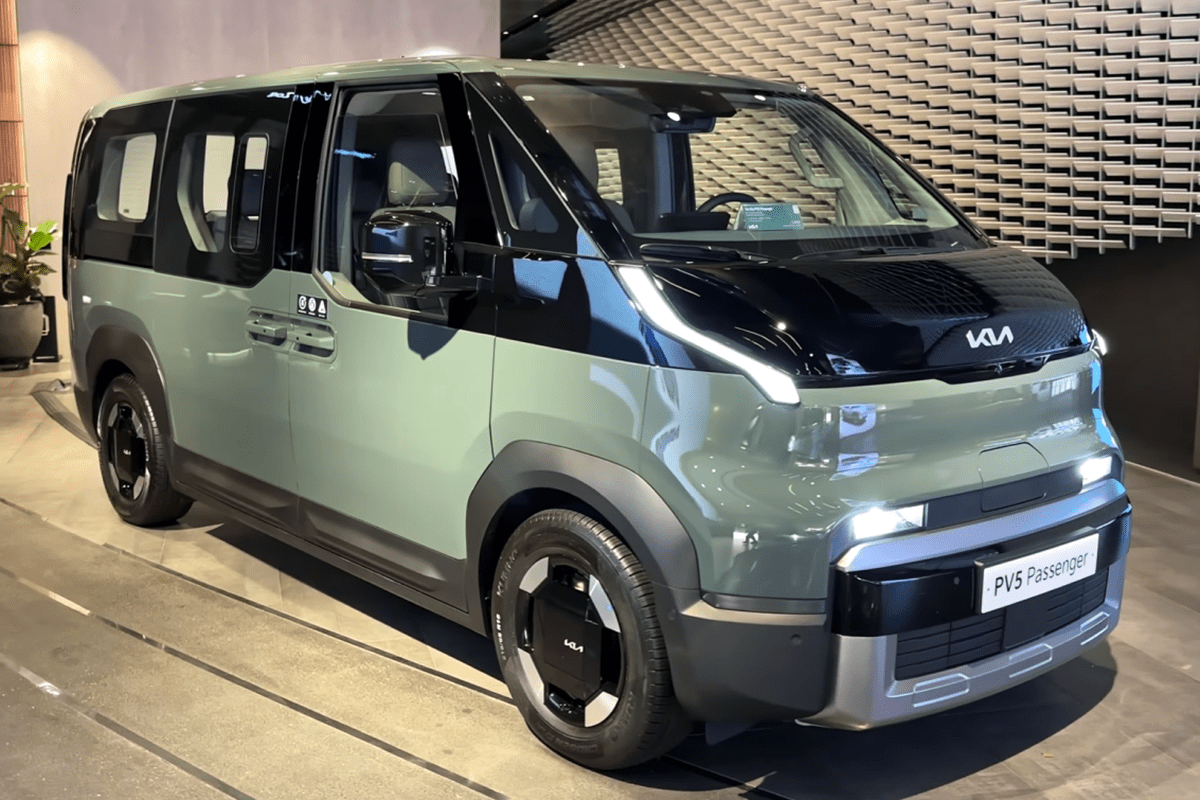
When it comes to driving, the PV5 doesn't seem like a large van. Despite its dimensions, it providesSUV-like maneuverability, thanks to a compact 5.5-meter turning radius. Drivers appreciated the stable ride, smooth regenerative braking, and precisely calibrated 360-degree camera system that simplifies parking. A few mentioned slightly bulky front pillars that impact visibility, but most found that theADAS features—such as lane assistance and collision alerts—simplify city driving and reduce stress.
Price is yet another success for Kia. European projections indicate that the cargo variant will begin in thelow 30,000-euro range(approximately $34,800), with the passenger version slightly more expensive but still cost-effective. Compared to the ID. Buzz and other seven-seat electric vans, the PV5 offers a distinct value benefit. Critics summarized it well: “The ID. Buzz has design, but the PV5 provides”practical benefits and cost effectiveness.”
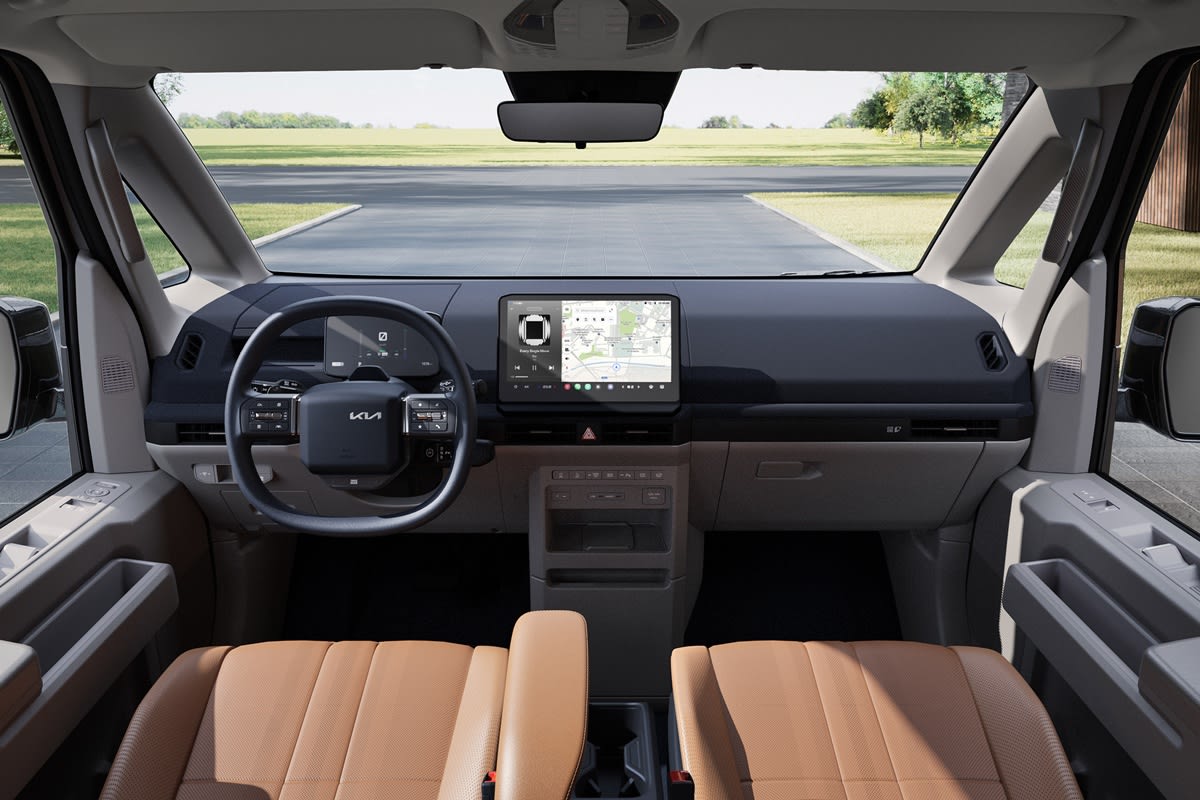
In the end, the passenger-oriented PV5 meets the ideal balance for practical requirements. Its adaptable seating, cargo adaptability, and easy-to-use design provide an advantage not just against the ID. Buzz, but also against numerous larger electric SUVs. Families, adventure lovers, and ride-sharing drivers can all gain from its intelligent layout and well-considered design.
Where the ID. Buzz brought character to the electric van market, theKia PV5 brings purposeIt is practical, cost-effective, and designed according to how people truly live and travel. In a segment that is finally gaining momentum, the PV5 is demonstrating that practicality—not sentimentality—will be the key factor driving the next generation of electric vans.
Posting Komentar