
The New Hypercar Defies Limits with Porsche-Grade Performance and No Body Twist
The Genesis GV60 Magma is creating significant global attention after a worldwide media test drive at France's Circuit Paul Ricard. Comments from professional car journalists, local driver experiences, and European automotive groups have been extremely favorable. French drivers—recognized for their high expectations when it comes to electric vehicles—did not hesitate to commend it, calling the Magma nearly like a genuine racing car.
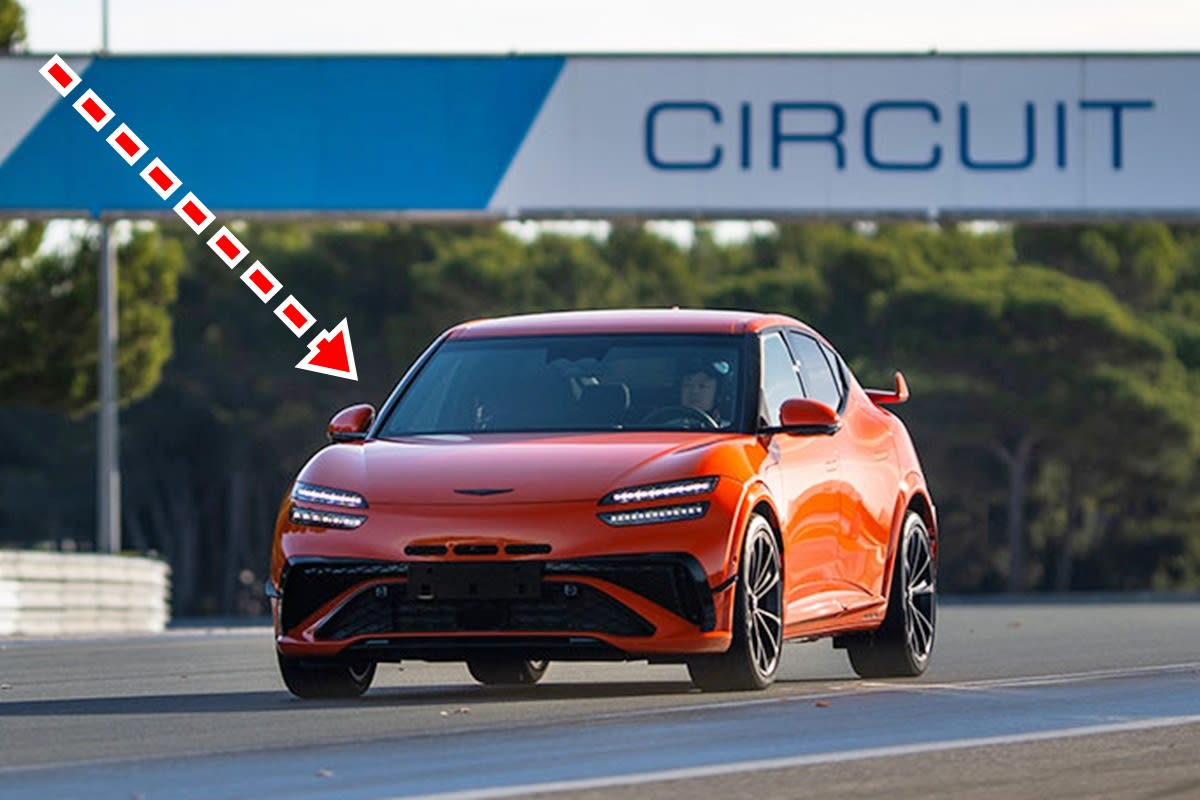
What truly impressed was the accuracy of the responses. Critics highlighted aspects such as the vehicle's racing-inspired body design and high-speed handling, along with its consistent power output and realistic virtual audio system. International reporters were captured on camera showing clear admiration, their eyes widening right after exiting the car.
Overall, these impressions indicate that the GV60 Magma is not only Genesis' initial hyper-performance electric vehicle—it is a car that has been fully tested on a track. Regular comparisons to the Porsche Taycan show how the market now takes Genesis seriously in the high-performance electric vehicle category.
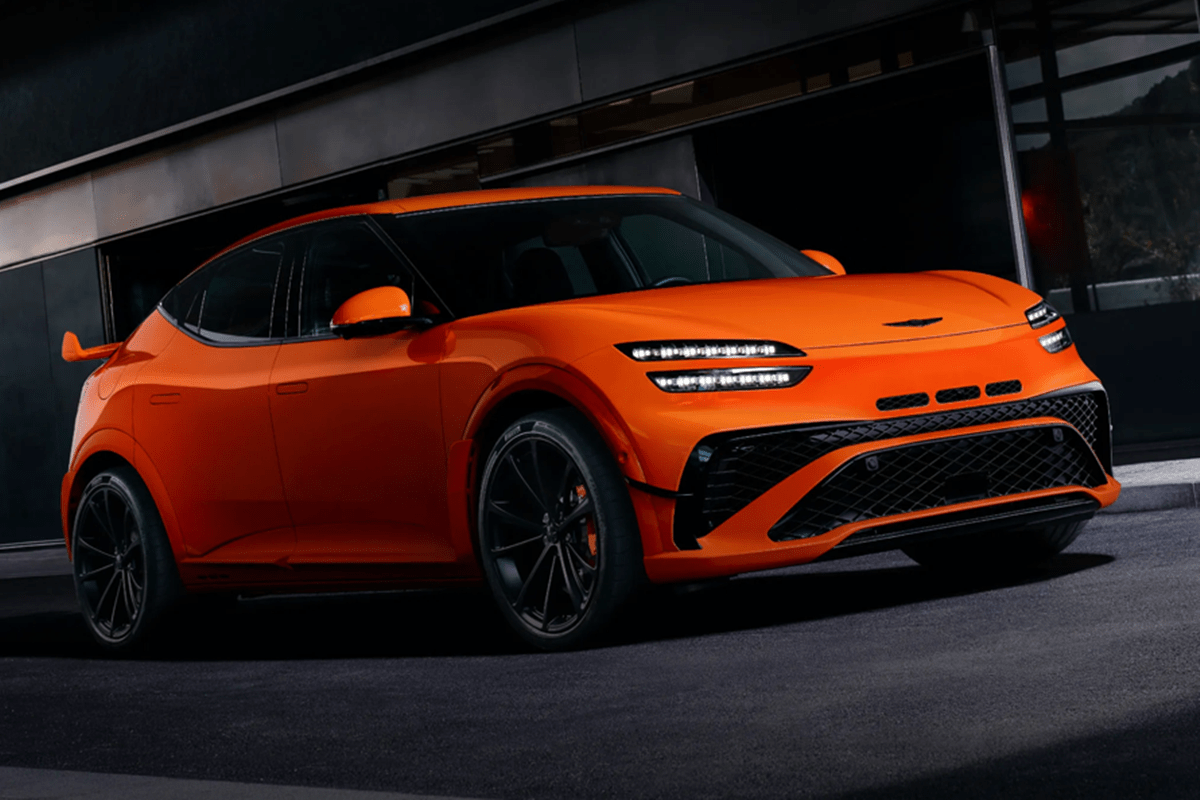
International reviews highlighted that the GV60 Magma's body design resembles a racing vehicle. Its broader base and lower roof create a grounded, stable appearance—even in videos. Test drivers mentioned that "just seeing the car gives the feeling of downforce." This visual change directly affects its high-speed stability, with reviewers stating that the chassis feels solid when accelerating.
The Magma-specific suspension of the car improves handling accuracy and control. When entering corners, the GV60 offers a solid feeling of engagement with the road, and even on rough surfaces, it stays highly stable, enabling drivers to maintain speed with assurance.
Although the 650 horsepower and 790 Nm of torque are notable on paper, critics highlighted that the true excitement lies in the actual driving experience. A French reporter compared the acceleration to "the sound of the car being pulled into a video." Even during sprints from 100–200 km/h (62–124 mph), the vehicle showed very little chassis flex, with online discussions commending that there's almost no body twist and no typical high-speed EV power loss. In short, the GV60 Magma offers a completely different experience than the standard GV60.
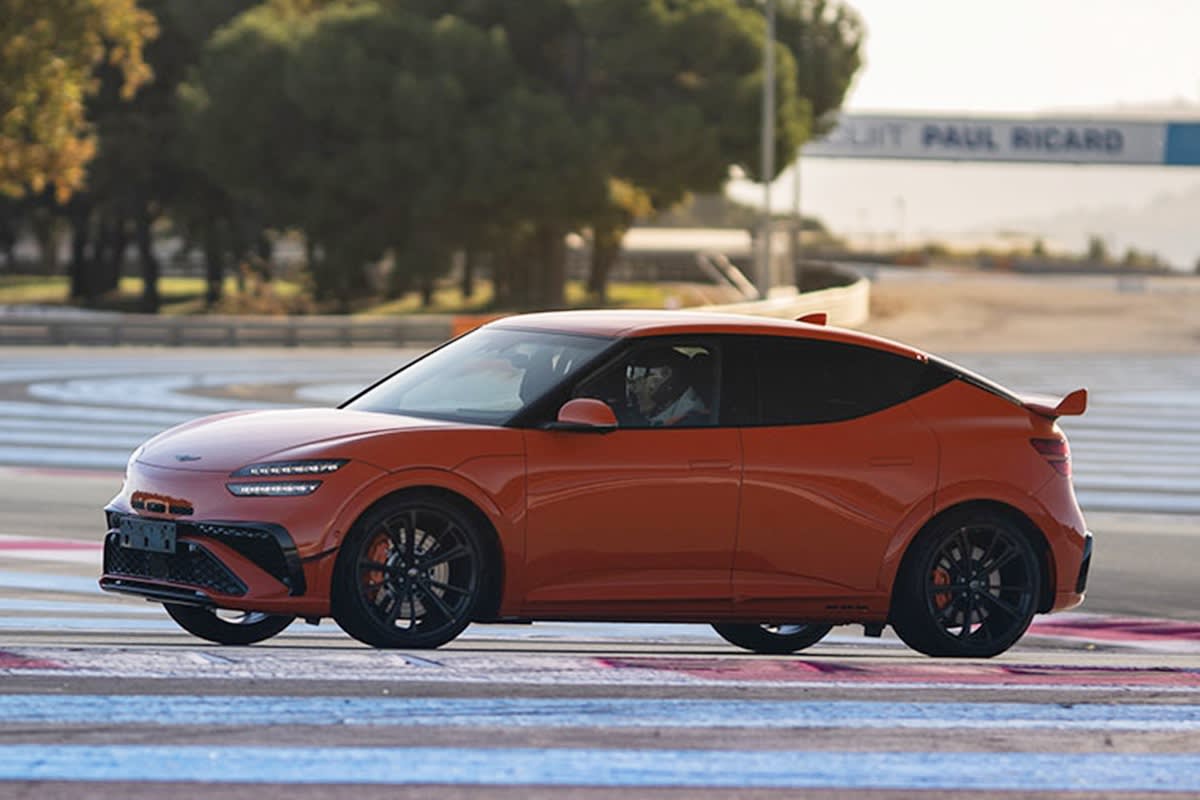
The wide-radius turns at Circuit Paul Ricard created an ideal setting to evaluate the car's stability. Video footage repeatedly demonstrates the GV60 Magma staying controlled during drifts, highlighting advanced roll management and suspension adjustments. Critics consistently mentioned minimal motion sickness, a notable praise for track-based EV testing that highlights the harmony between ride comfort and performance.
The Magma's Boost Mode, which provides a temporary power surge for about 15 seconds, was highly effective on the track. Critics noted that the straightaways following the activation of Boost Mode felt most like driving an electric race car, with the vehicle sustaining its power at high speeds—affirming its status as a formidable player in the hyper-performance EV segment.
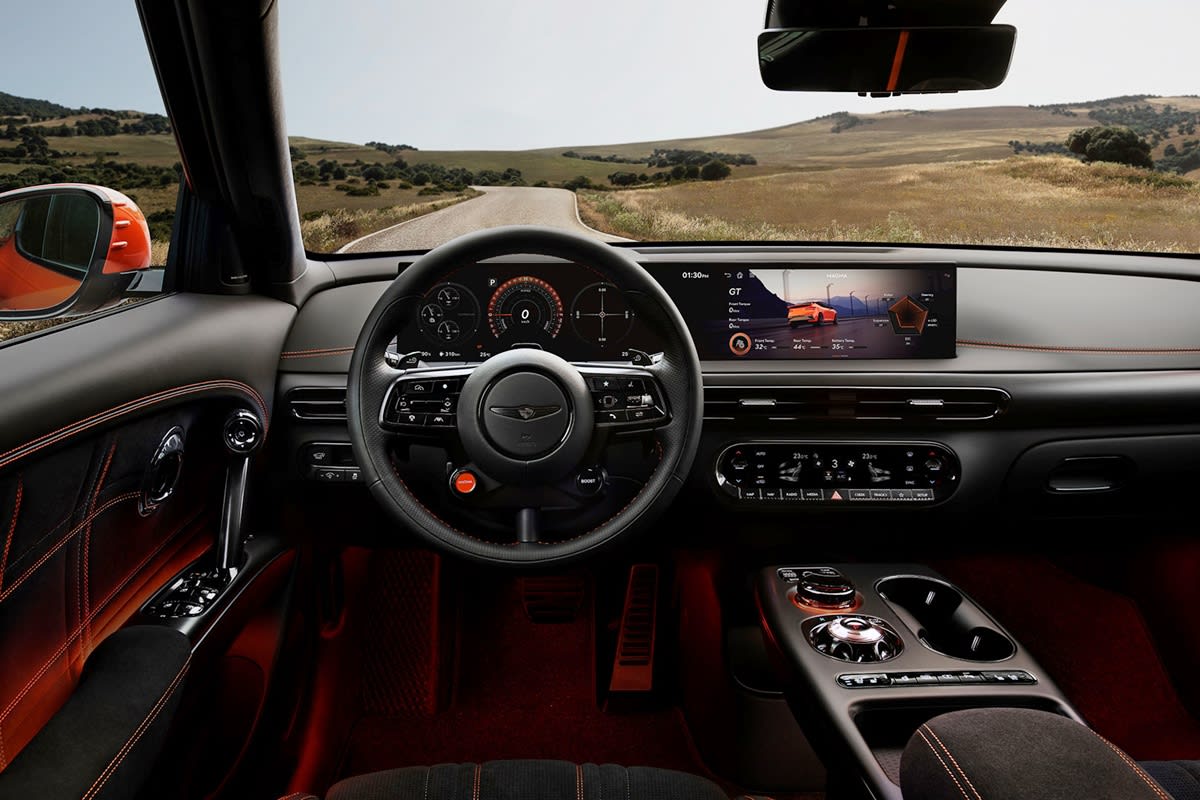
One of the most discussed features was the Magma's virtual audio system, which uses e-ASD+ and VGS. Unlike several EV sound systems that may seem artificial or overdone, the GV60 Magma provides a realistic and engaging listening experience.
French driver Daniel Hunkadeya gave it great praise, stating, “The Porsche Taycan's sound seemed fake, but the Magma actually sounds authentic.” Subtle variations in pitch that imitate gear changes were highlighted as especially engaging, enhancing the overall driving experience.
Although local drivers in South Korea might have limited chances to fully experience the Magma's track-focused performance, these international reviews collectively establish Genesis as more than just a luxury brand—it is making a strong push in the high-performance electric vehicle market.
Posting Komentar